
Live Sweeter Without the Sugar — Smart Eating for Blood Sugar Control
Discover research-backed insights, delicious low-sugar meal ideas, and practical guidance to help you make smarter food choices every day. Our editorial team in France brings you the latest in nutrition science — all focused on keeping your blood glucose balanced naturally through food.
Get Weekly Low-Sugar Insights
Join our readers and receive curated meal tips, new articles, and expert nutrition content every week.
Editorial content only. We respect your privacy.
Why Low-Sugar Eating Matters
Understanding the impact of sugar on your body is the first step toward a healthier lifestyle. Here are key facts our editorial team highlights.
Blood Sugar Stability
Consistent low-sugar meals help maintain steady glucose levels throughout the day, reducing energy crashes and cravings.
Nutrient-Dense Choices
Low-sugar foods are often packed with fiber, healthy fats, and essential vitamins that support overall well-being.
Weight Management
Reducing added sugars naturally lowers caloric density, helping maintain a healthy body weight without strict calorie counting.
Cardiovascular Support
Lower sugar intake is linked by nutritionists to better triglyceride levels and improved circulatory health markers over time.
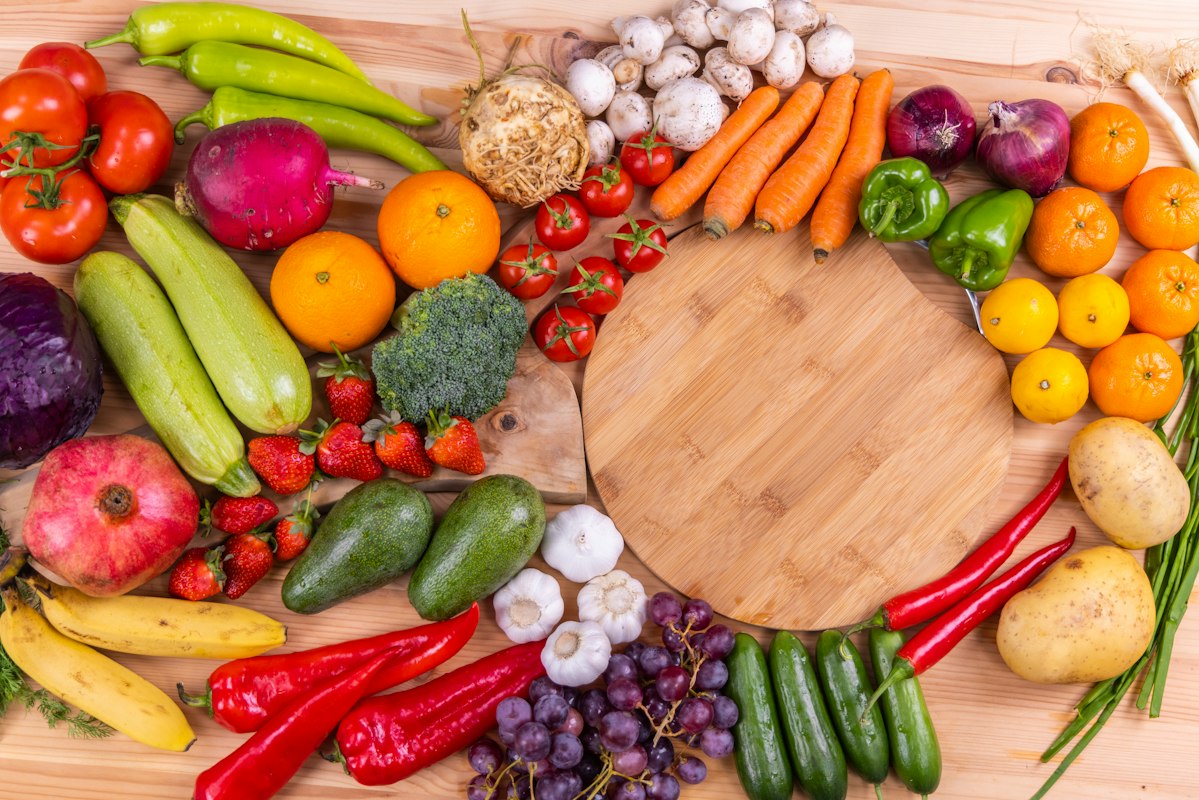
What Makes a Meal Truly Low-Sugar and Blood-Sugar Friendly?
Not all "healthy" meals are created equal. A genuinely low-sugar meal goes beyond simply avoiding candy and sweets — it carefully considers the glycemic load of every ingredient, including grains, fruits, and condiments. Our editorial team has reviewed current nutritional research to help readers understand how carbohydrates, fiber content, and meal timing interact to influence blood glucose response.
A well-structured low-sugar plate typically includes non-starchy vegetables, quality protein sources, heart-healthy fats, and only small portions of complex carbohydrates. Understanding these principles is the foundation of the content we publish at Diabeticfoodtips — practical, science-informed, and adapted for everyday French kitchens.
- Glycemic Index awareness — choosing carbs that release energy slowly
- Fiber-first approach — prioritizing vegetables, legumes, and whole grains
- Smart portion sizing — even healthy foods need mindful quantities
- Reading food labels — identifying hidden sugars in packaged products
Top Low-Sugar Meal Categories to Explore
Explore our curated categories of low-sugar meals and snacks — each designed to keep blood glucose levels stable while delivering genuine flavour and satisfaction.
Plant-Based Power Bowls
Hearty bowls built around leafy greens, roasted vegetables, chickpeas, and tahini dressing. Rich in fiber and plant protein, these meals have a minimal impact on blood sugar while keeping you full for hours.
Read articlesLean Protein Plates
Grilled salmon, baked chicken breast, turkey slices, and eggs form the backbone of low-sugar eating. Protein slows glucose absorption and supports sustained energy — a cornerstone of our nutrition guides.
Read articlesLow-GI Grain Dishes
Quinoa, barley, buckwheat, and brown rice offer sustained energy without causing glucose spikes. Our articles guide readers through cooking and portioning these grains for maximum blood-sugar benefit.
Read articlesSmart Breakfast Options
Starting the day right is crucial. We cover egg-based dishes, Greek yogurt parfaits, chia seed puddings, and unsweetened oat preparations that keep morning blood sugar calm and concentration sharp.
Read articlesVegetable-Rich Snacks
Cucumber sticks, celery with almond butter, roasted edamame, and hummus with bell peppers — our snack guides show how to snack smartly between meals to avoid blood sugar dips and overeating at dinner.
Read articlesSugar-Free Desserts
Satisfying your sweet tooth without spiking blood sugar is possible. Our dessert section explores dark chocolate recipes, berry mousses, stevia-sweetened treats, and fruit-based delights that feel indulgent but stay blood-sugar friendly.
Read articlesHow to Transition to a Low-Sugar Lifestyle in 5 Simple Steps
Making a lasting change doesn't require drastic overnight overhauls. Our editorial team has outlined a realistic, approachable path based on the nutrition principles we cover in our guides.
Step 1: Audit Your Current Diet
Begin by identifying where sugar is currently entering your diet — not just desserts, but sauces, bread, cereals, and drinks. Keep a simple food diary for one week. This awareness is the most powerful first step, as many readers discover surprising sources of hidden sugar they hadn't considered.
Step 2: Replace — Not Remove
Instead of eliminating foods cold-turkey, swap high-sugar items for satisfying alternatives. Replace white bread with rye sourdough, sugary yogurt with plain Greek yogurt, fruit juice with whole fruit. Our recipe articles are designed specifically to make these replacements feel natural and delicious rather than punishing.
Step 3: Build a Low-Sugar Meal Template
Create a simple repeatable plate formula: half the plate with non-starchy vegetables, a quarter with lean protein, and a quarter with a low-GI grain. This structure — detailed across many of our guides — removes daily decision fatigue and makes blood-sugar-friendly eating automatic over time.
Step 4: Learn to Read Food Labels
French supermarket shelves are filled with products that market themselves as "light" or "natural" while hiding significant amounts of added sugars. Our label-reading guide teaches readers how to identify glucose-fructose syrup, maltodextrin, dextrose, and over 50 other names that all mean "added sugar" on ingredient lists.
Step 5: Make It a Sustainable Lifestyle
Long-term success comes from flexibility, not rigidity. Allow occasional exceptions, celebrate consistent choices, and return to your meal template when you drift. Our ongoing series of articles, seasonal recipe updates, and reader Q&A content on Diabeticfoodtips is designed to support you at every stage of this journey — not just the beginning.
Colorful Low-Sugar Meals & Snack Ideas
From vibrant salads to hearty soups — eating with blood sugar balance in mind is anything but boring. Browse some of the meal types we cover across our editorial content.
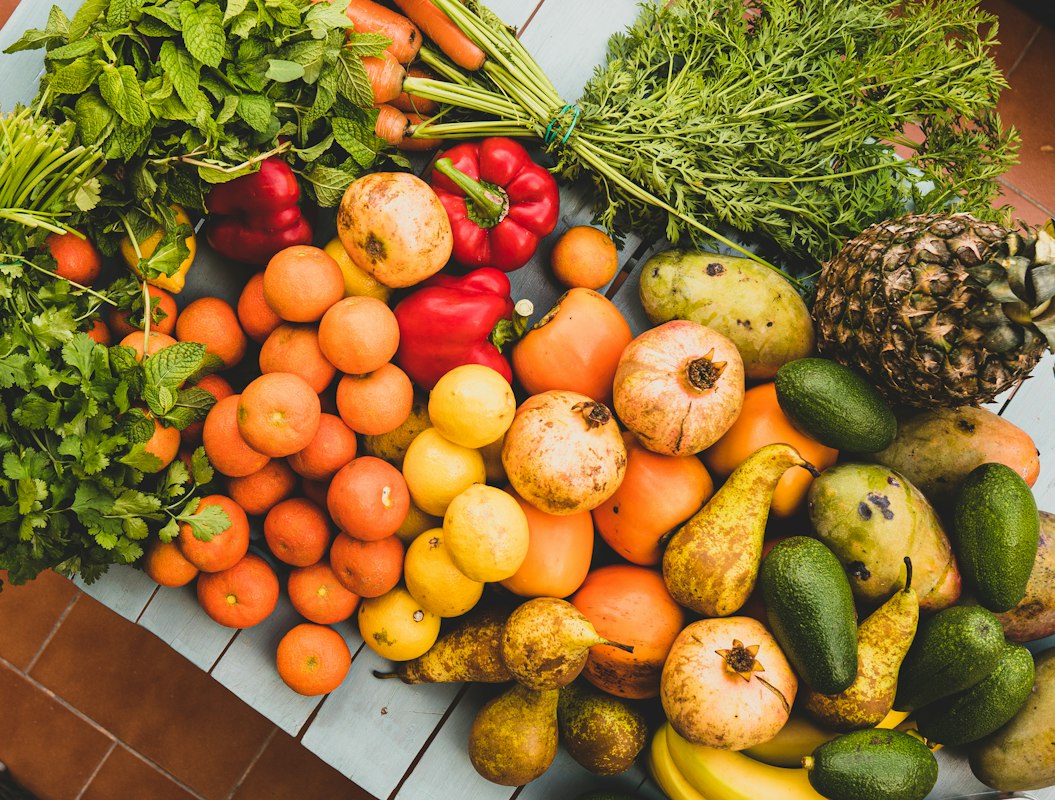
Avocado & Chicken Salad Bowl
Low GI · High Protein

Steamed Salmon & Asparagus
Omega-3 Rich · Sugar-Free
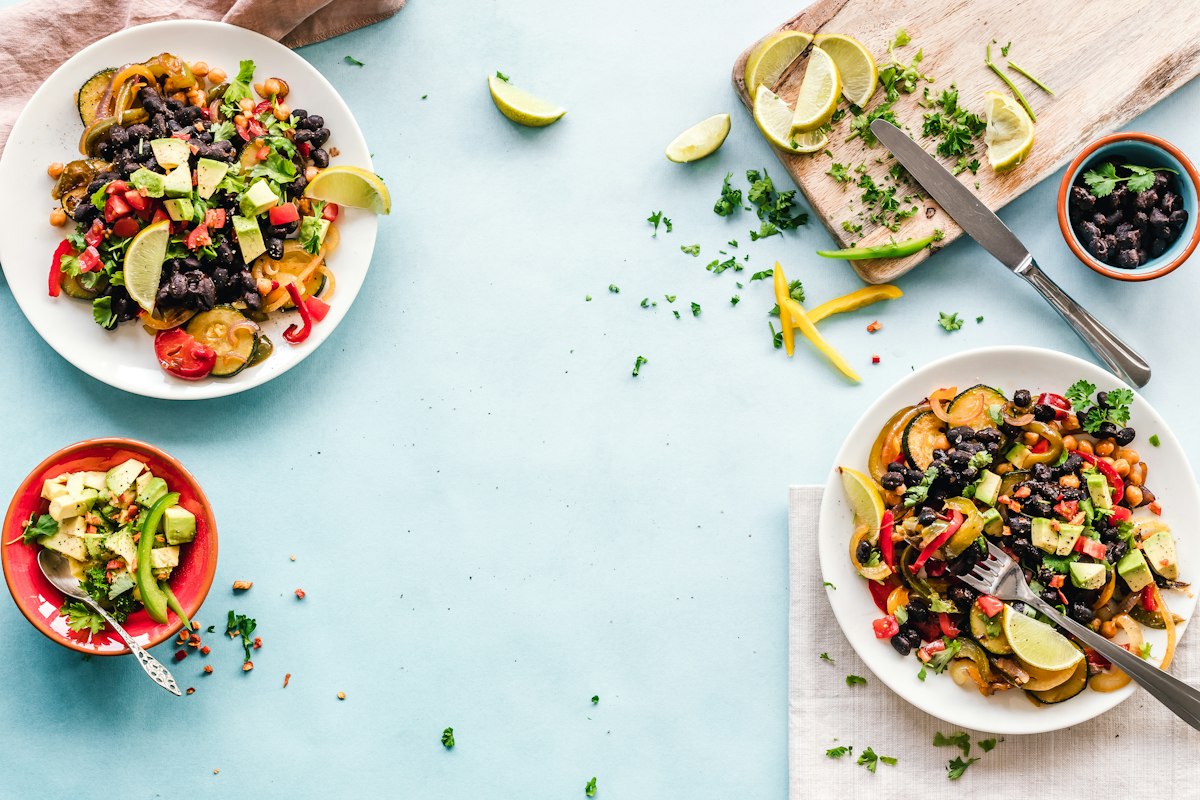
Chia Pudding with Berries
Fiber-Rich · Low Sugar
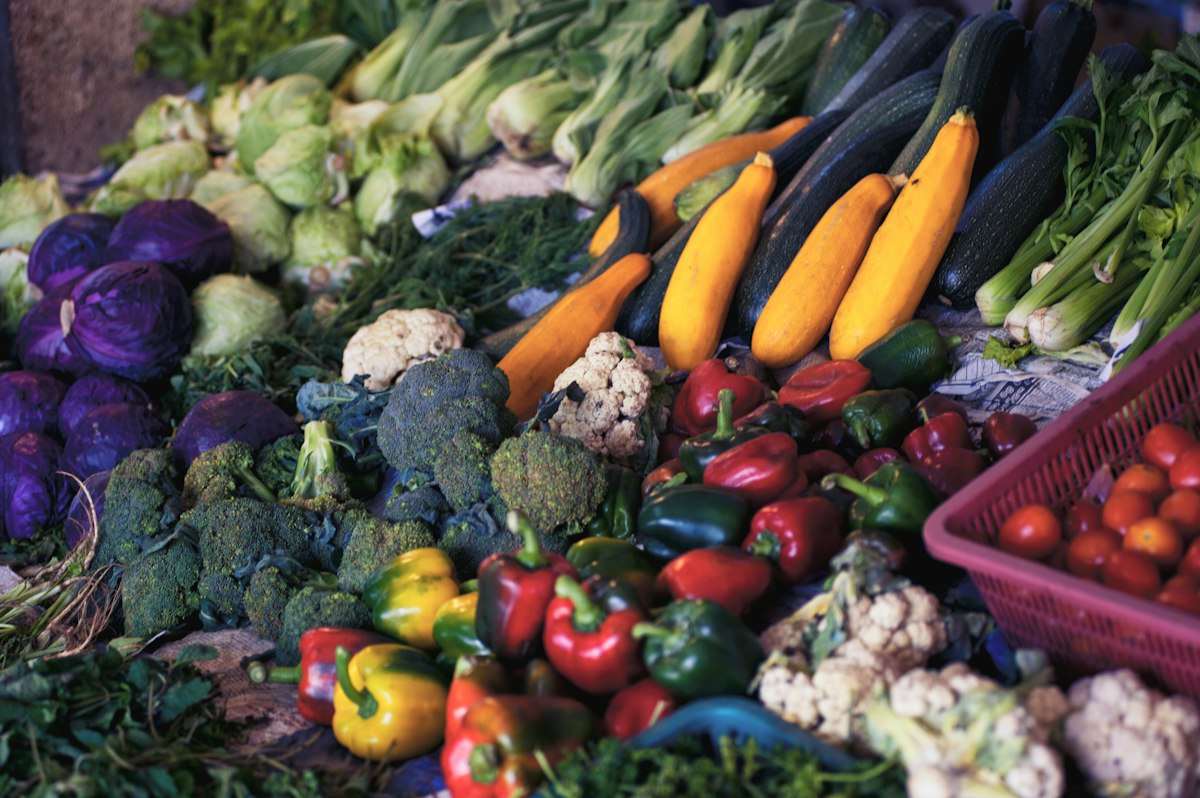
Tofu & Ginger Stir-Fry
Plant-Based · Anti-Inflammatory

Lentil & Spinach Soup
High-Fiber · Warming
What Our Community Is Saying
Read stories from our community. Please note that individual results can vary.
Sandra M.
Type 2 Diabetes · 3 years
"I used to dread meal planning. Diabeticfoodtips gave me simple, delicious recipes that actually keep my blood sugar stable. "The recipes helped me feel more confident in my meal planning." two months!"
Robert K.
Pre-Diabetes · Newly Diagnosed
"After my pre-diabetes diagnosis, I was overwhelmed. This site broke everything down in plain English. The low-GI swaps alone changed how I cook every single day."
Linda T.
Type 1 Diabetes · 10+ years
"I've been managing Type 1 for over a decade, and I still learn something new here every week. The glycemic index guides and portion tips are genuinely practical — not just theory."
12K+
Active Readers
300+
Diabetic-Friendly Recipes
4.9
Average Reader Rating
100%
Free to Access