
Your Questions About Low-Sugar Eating — Answered
Managing blood sugar through smart food choices raises many questions. Our editorial team at Diabeticfoodtips has gathered the most common questions from our readers and provided clear, practical answers to help you make informed decisions every day.
Browse Our GuidesCommon Questions From Our Readers
Below you'll find straightforward answers to the questions we receive most often about low-sugar foods, meal planning, and smarter eating habits.
What does "low-sugar" actually mean for everyday foods?
A "low-sugar" food generally contains a small amount of naturally occurring or added sugars per serving — typically under 5 grams per 100g by most nutritional guidelines used in France and across the European Union. This includes both added sugars (like sucrose or glucose syrup) and naturally present sugars found in fruit or dairy. When reading labels in French supermarkets, look for the "dont sucres" line under carbohydrates — this tells you exactly how much sugar is in the product. Choosing foods with minimal added sugars is one of the most practical steps toward maintaining steadier blood sugar levels throughout the day.
Can I eat fruit if I'm watching my blood sugar?
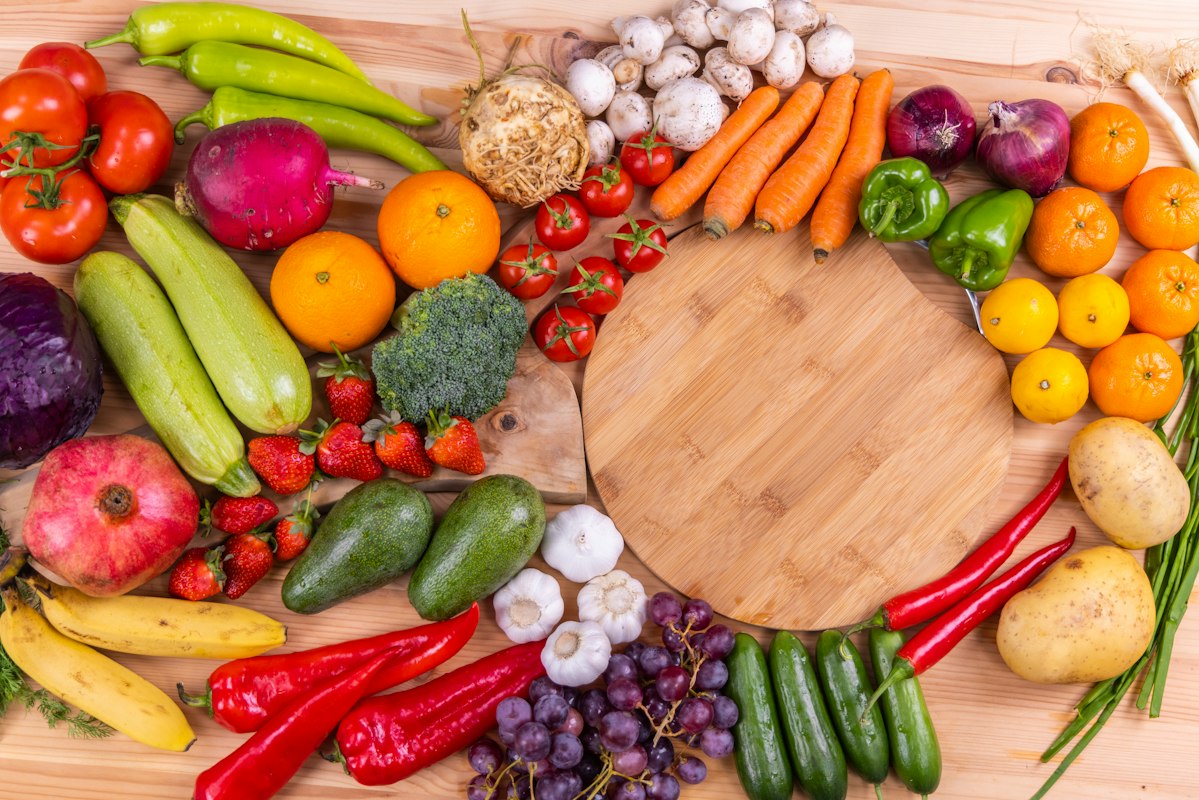
Yes — fruit can absolutely be part of a blood-sugar-conscious diet, but the type and portion size matter. Berries such as strawberries, raspberries, and blueberries are among the lowest in sugar and richest in fiber, which slows how quickly sugar enters the bloodstream. Citrus fruits like oranges and grapefruits are also moderate choices. On the other hand, very ripe bananas, grapes, and dried fruits tend to have higher sugar concentrations and are best enjoyed in smaller amounts. Pairing fruit with a source of protein or fat — like a small handful of almonds — can further help moderate the body's response. The key is variety and awareness, not avoidance.
Are whole grains better than white bread and rice?
Generally speaking, yes. Whole grains like oats, barley, quinoa, and whole-wheat bread retain their bran and germ layers, which are rich in fiber. This fiber slows digestion and helps prevent sharp spikes in blood sugar after meals. White bread and white rice, by contrast, are more rapidly broken down, which can lead to faster rises in blood sugar. In France, pain de seigle (rye bread) and pain complet (whole wheat bread) are widely available and make excellent substitutes. Even small swaps — like choosing brown rice over white — can make a meaningful difference when practiced consistently over time.
What hidden sources of sugar should I watch out for?
Sugar hides in many unexpected places. Condiments like ketchup, barbecue sauce, and salad dressings are common culprits. Flavored yogurts, breakfast cereals marketed as "healthy," fruit juices, and even savory soups can contain surprising amounts of added sugar. In France, ready-made sauces (sauces toutes prêtes) and prepared meals (plats cuisinés) at supermarkets often include hidden sugars for flavor and preservation. Reading the ingredient list carefully — and recognizing that sugar has many names (sirop de glucose, saccharose, maltose, dextrose) — helps you stay informed. Using the Nutri-Score system, available on many French products, is a helpful quick-reference tool.
What does a balanced low-sugar meal look like?
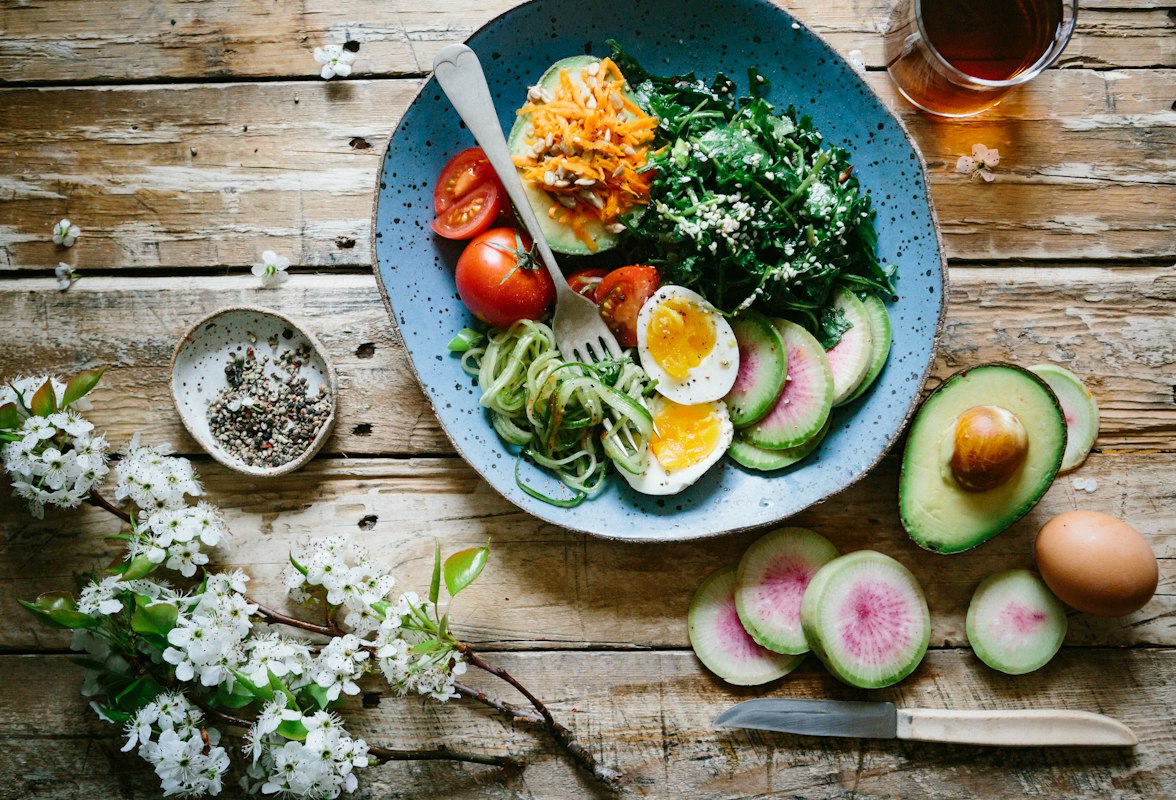
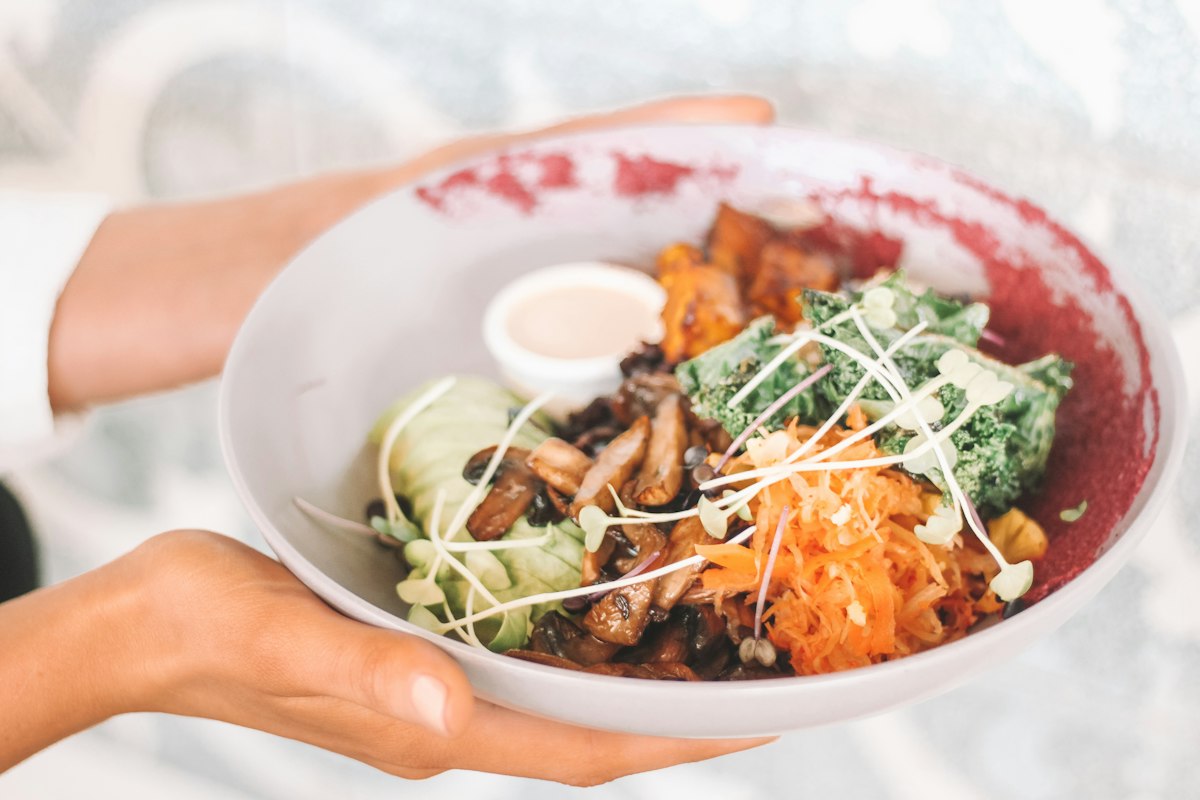
A well-structured low-sugar meal typically includes a lean protein source (such as chicken, fish, eggs, or legumes), a generous portion of non-starchy vegetables (like courgettes, broccoli, spinach, or green beans), a small serving of complex carbohydrates (like lentils or quinoa), and a healthy fat (such as olive oil or avocado). This combination provides sustained energy without causing rapid blood sugar fluctuations. Portion control also plays an important role — even healthy foods can affect blood sugar when eaten in very large amounts. Our recipes section offers practical meal ideas built around exactly this kind of balanced structure.
What beverages are best for keeping blood sugar steady?
Water is always the best choice — it contains no sugar and supports overall body function. Unsweetened herbal teas (tisanes) are popular in France and make a pleasant alternative. Black coffee and plain green tea are also low-sugar options, though caffeine sensitivity varies among individuals. Sparkling water with a slice of lemon or cucumber is a refreshing swap for sugary sodas. Be cautious with fruit juices — even 100% natural juices are high in sugar and lack the fiber of whole fruit. Sports drinks and energy drinks are particularly high in added sugars and best avoided for everyday hydration.
Are artificial sweeteners a good substitute for sugar?
Artificial sweeteners such as stevia, erythritol, and xylitol have little to no direct impact on blood sugar levels, making them popular substitutes. However, individual responses vary — some people find that sweeteners still trigger cravings for sweet foods, which can make managing overall intake harder in practice. Natural sweeteners like stevia (available in French health food stores as "stévia") tend to be better tolerated than synthetic options. Our editorial team recommends using these as an occasional tool rather than a daily staple, and to focus primarily on reducing overall reliance on sweet flavors. Reading our guides can help you find a balanced approach that fits your lifestyle.
What are the best protein foods for a low-sugar diet?
Protein is an important pillar of a blood-sugar-friendly diet because it digests slowly and helps you feel full, reducing the temptation to snack on high-sugar foods. Excellent protein sources include eggs, grilled fish (especially fatty fish like salmon or sardines), skinless poultry, legumes such as lentils and chickpeas, plain Greek yogurt, cottage cheese, and tofu. In the French culinary tradition, lentil soups (soupe aux lentilles) and chickpea salads are delicious, practical choices. Processed meats and deli products, however, may contain added sugars and sodium — checking labels is always worthwhile.
Does meal timing affect blood sugar levels?
Yes, when you eat can be just as important as what you eat. Spreading meals evenly throughout the day — rather than eating one or two very large meals — tends to produce more stable energy levels. Skipping breakfast often leads to stronger hunger later, which can result in overeating or reaching for quick, sugary fixes. Eating a balanced breakfast that includes protein and fiber is widely associated with better blood sugar management throughout the morning. Late-night eating, particularly of high-carbohydrate snacks, is also worth minimizing. A consistent meal rhythm is one of the simplest and most underappreciated strategies covered across our articles.
Which vegetables are lowest in sugar and best for daily meals?
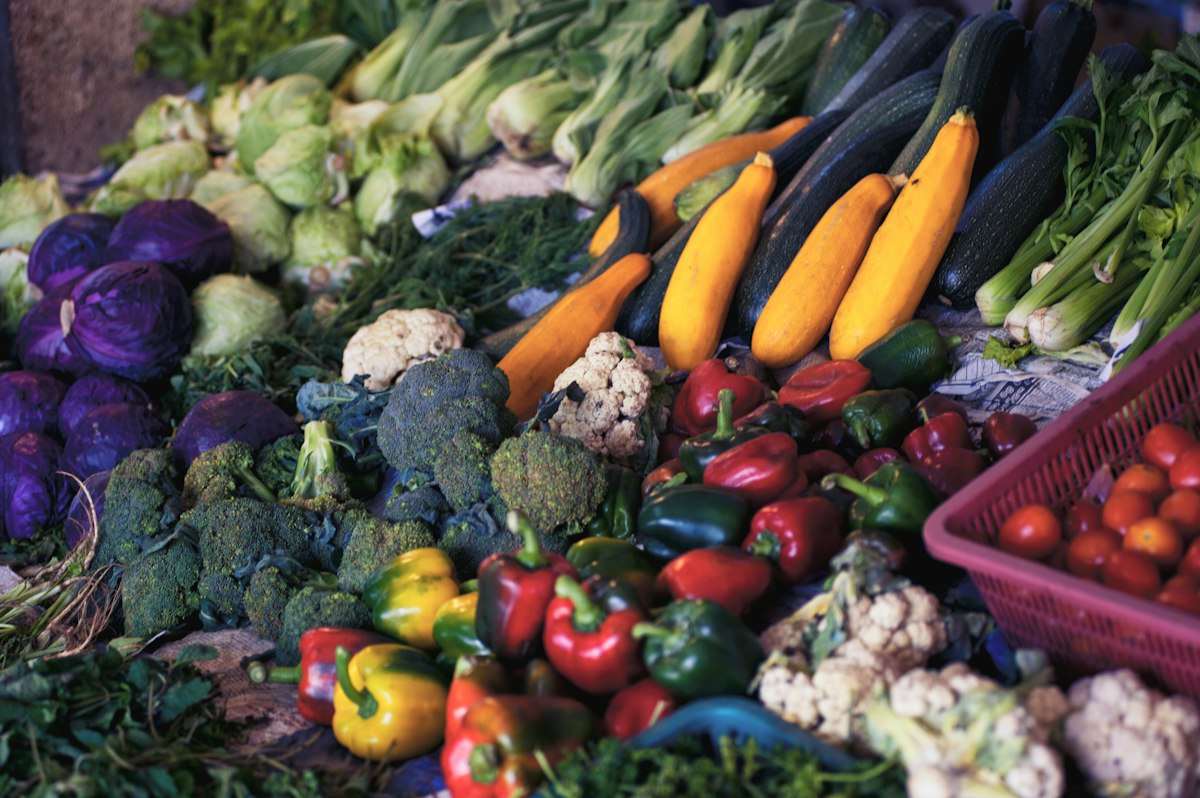
Non-starchy vegetables are among the most blood-sugar-friendly foods available. Leafy greens like spinach, kale, and lettuce are virtually sugar-free and loaded with vitamins. Courgettes (zucchini), broccoli, cauliflower, cabbage, celery, cucumber, and green beans are all excellent everyday choices. Tomatoes and bell peppers contain a small amount of natural sugar but are still highly nutritious and beneficial overall. Root vegetables like carrots and beetroot contain more sugar and are best enjoyed in moderate portions. Starchy vegetables such as potatoes and corn are significantly higher in carbohydrates and are best treated as part of the carbohydrate portion of a meal rather than a "free" vegetable.
How do I navigate a French supermarket for low-sugar options?
French supermarkets offer a wide variety of low-sugar options once you know where to look. The perimeter of the store — fresh produce, fish counter, dairy, and butcher sections — is generally where the least processed and lowest-sugar foods are found. In the packaged goods aisles, the Nutri-Score label (A to E, color-coded) is a useful quick guide, with A and B rated products generally being more nutritious choices. Look for products labeled "sans sucres ajoutés" (no added sugars) or "faible en sucres" (low in sugar). Organic health food stores (magasins bio) like Naturalia or Bio c' Bon also stock a broader range of low-sugar specialty items and sugar-free alternatives.
Can I still enjoy traditional French cuisine while eating low-sugar?
Absolutely — French cuisine has a strong tradition of savory, ingredient-led cooking that pairs very well with a low-sugar approach. Many classic dishes like ratatouille, soupe à l'oignon (in its simplest form), salade niçoise, poached fish en papillote, and grilled duck breast are naturally low in added sugars. The emphasis on fresh seasonal produce, quality fats like olive oil, and unprocessed ingredients in French cooking is actually well-aligned with blood-sugar-conscious eating. Where adjustments may be needed is in desserts and some baked goods — but even here, smaller portions or clever substitutions (like using almond flour or reducing sugar in tarts) can make traditional favorites more suitable. Our recipes section explores these French-inspired adaptations in detail.
Why We Created This Resource
At Diabeticfoodtips, our editorial team is dedicated to making evidence-based nutrition information accessible and practical for everyday life in France. We know that navigating food choices can feel overwhelming — especially when conflicting advice is everywhere online.
Our articles, guides, and recipe ideas are written to be honest, clear, and useful — not to sell you anything. We cover the science of blood sugar and nutrition in plain language, with examples rooted in the foods and shopping habits familiar to readers living in France.
Whether you're just starting to pay attention to sugar intake or looking to refine habits you've already built, we aim to be a reliable reference. Browse our guides and recipes for ideas that fit into real, enjoyable daily eating.
Explore Our GuidesExplore Related Topics
Looking to go deeper? Browse our content across these key areas of low-sugar eating and blood sugar awareness.
Low-Sugar Meal Ideas
Browse our collection of practical, flavorful recipes built around low-sugar ingredients and balanced nutrition — including French-inspired dishes.
Nutrition Guides
In-depth editorial guides covering food labels, grocery shopping, meal timing, and building long-term low-sugar habits in everyday life.
Editorial Insights
Read our latest articles on research, food trends, and practical strategies for maintaining steady blood sugar through smart everyday choices.
Still Have a Question?
Our editorial team is happy to hear from readers. If you have a question that wasn't answered above, or you'd like to suggest a topic for a future article, feel free to reach out. We read every message and use your feedback to improve our content.
Rue des Fleurs 35, Lyon | [email protected]