
Live Sweetly
Without the Sugar — Meals Designed for Blood Sugar Control
Your trusted editorial guide to low-sugar products, wholesome recipes, and practical nutrition knowledge — crafted for readers in France who choose to eat smarter every day.
- Expertly curated low-sugar meal ideas
- Science-informed articles on carb management
- Practical guides for everyday grocery shopping
- Recipes tested for flavour and nutritional balance
Start Your Low-Sugar Journey
Enter your email and we'll send you our free 7-day low-sugar meal guide — no strings attached.
We respect your privacy. No spam, ever.
How Low-Sugar Eating Transforms Your Everyday Wellbeing
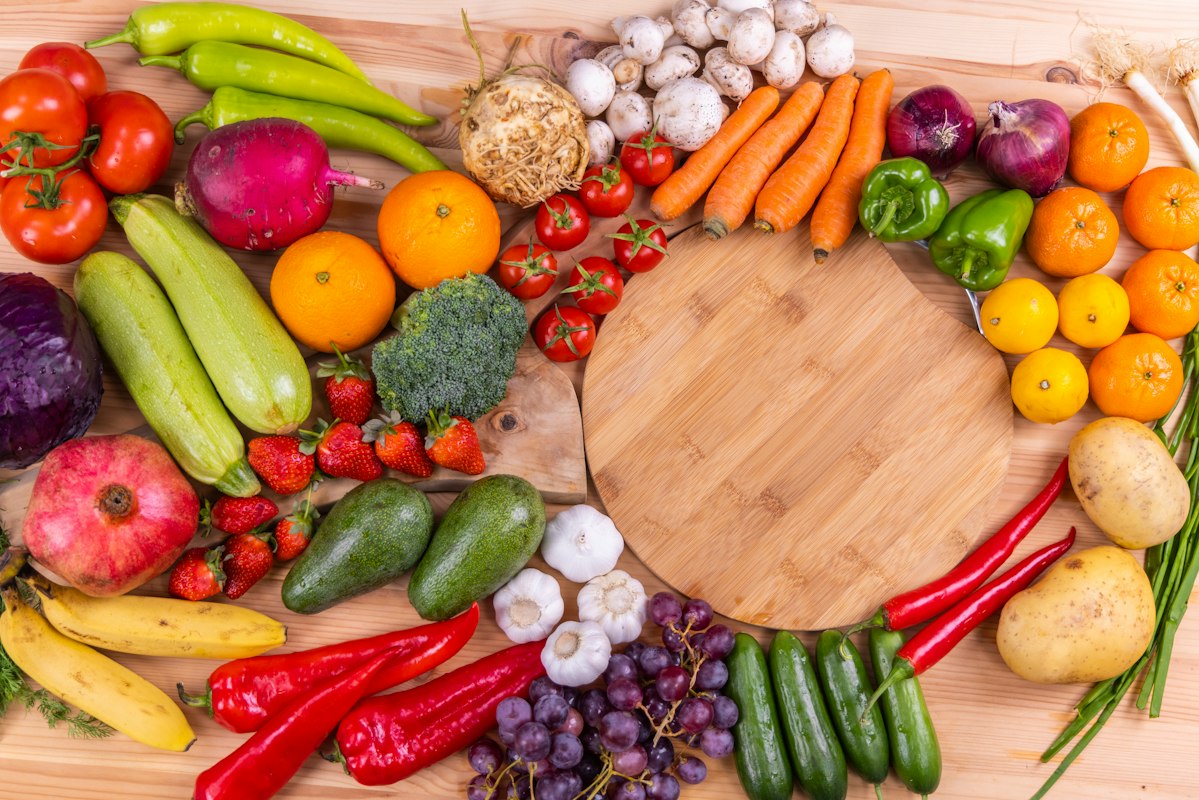
Cutting back on sugar is not about deprivation — it is about choosing foods that keep your energy stable, your mood balanced, and your body functioning at its best. Research consistently shows that reducing added sugars and refined carbohydrates supports better blood glucose regulation and a healthier weight over time.
At Diabeticfoodtips, our editorial team compiles practical, evidence-informed content that helps readers in France navigate grocery aisles, understand food labels, and build enjoyable meals that happen to be low in sugar. We believe nutritious food can be genuinely delicious — and our recipes prove it every day.
Whether you are managing blood sugar levels, eating preventatively, or simply curious about reducing refined carbohydrates, our content library offers clear, accessible information without jargon or gimmicks.
Read Our InsightsFeatured Low-Sugar Meal Categories
From morning to night, we have curated content for every meal of the day — each category packed with practical ideas, ingredient swaps, and flavourful recipes under 10g of sugar per serving.
Low-Sugar Breakfasts
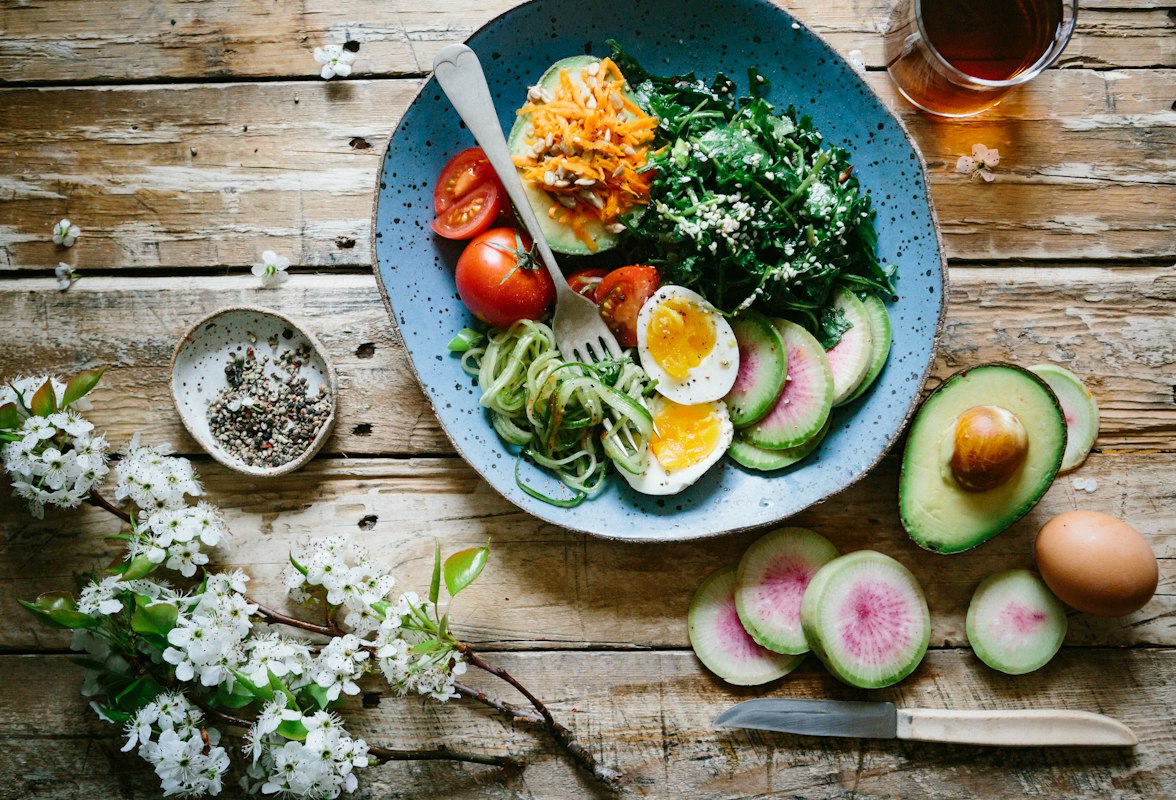
Start your day with energy-sustaining breakfasts that skip the sugar crash. We highlight overnight oats with berries, egg-based dishes, and whole-grain toasts with savoury toppings.
Explore breakfasts →Balanced Lunches
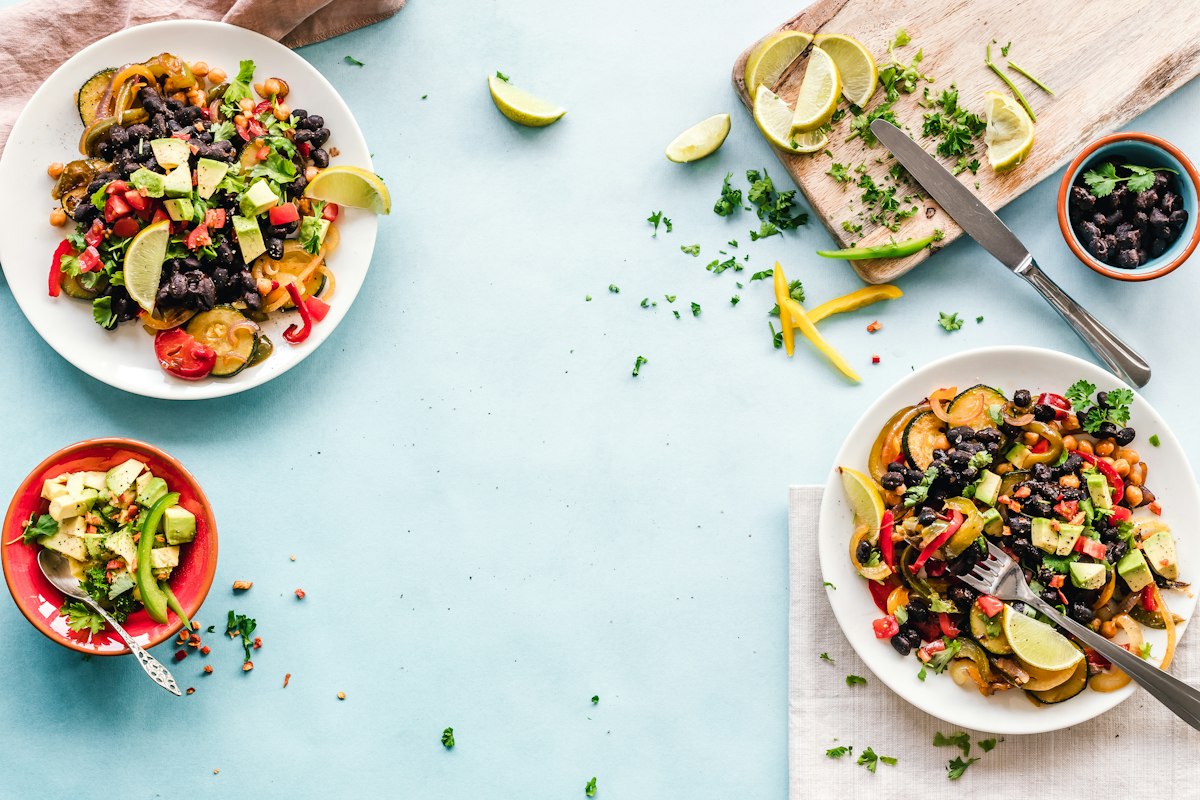
Our lunch guides focus on protein-rich salads, vegetable soups, and legume-based bowls that keep blood glucose steady through the afternoon without leaving you hungry.
Explore lunches →Smart Snacks
Snacking smartly is key to avoiding sugar spikes between meals. Discover our top picks: cheese with seeds, Greek yogurt with cinnamon, roasted chickpeas, and more.
Explore snacks →Wholesome Dinners
Evening meals built around lean proteins, non-starchy vegetables, and healthy fats. Think baked salmon with ratatouille or a hearty lentil stew with fresh herbs from the French countryside.
Explore dinners →Sugar-Free Desserts
Indulge without the guilt. Our dessert section explores naturally sweetened treats using stevia, allulose, and whole fruits — from dark chocolate mousse to pear and almond tarts.
Explore desserts →Grocery Shopping Guides
Navigate French supermarkets with confidence. We decode nutrition labels, flag hidden sugars, and highlight which products are genuinely low-sugar versus those that merely claim to be.
Explore guides →How Diabeticfoodtips Works for You
Our content is structured to take you from awareness to action — step by step, without overwhelming you with information overload.
1. Choose a Meal Category
Begin by browsing the meal category that fits your current goal — whether that's finding a low-sugar breakfast, discovering snack alternatives, or planning a complete weekly dinner menu. Our categories are clearly labelled with estimated carb and sugar content.
2. Read the Recipe or Guide
Each recipe includes a full ingredient list with portion sizes, nutritional highlights, and preparation tips tailored for real home cooks. Our guides go deeper — explaining the science behind glycaemic index, fibre's role in glucose uptake, and which natural sweeteners are worth trusting.
3. Track Your Response
We encourage readers to note how their body responds to different foods — using a glucose journal or a wearable monitor if available. Our articles explain what to look for and how to interpret post-meal readings so you can make informed adjustments over time.
4. Feel the Difference
With consistent low-sugar eating, many readers report steadier energy levels throughout the day, reduced afternoon slumps, and greater confidence in their food choices. Our community shares real experiences through articles and reader letters that inspire others to stay the course.
Real Recipes. Real Ingredients. Real Results.
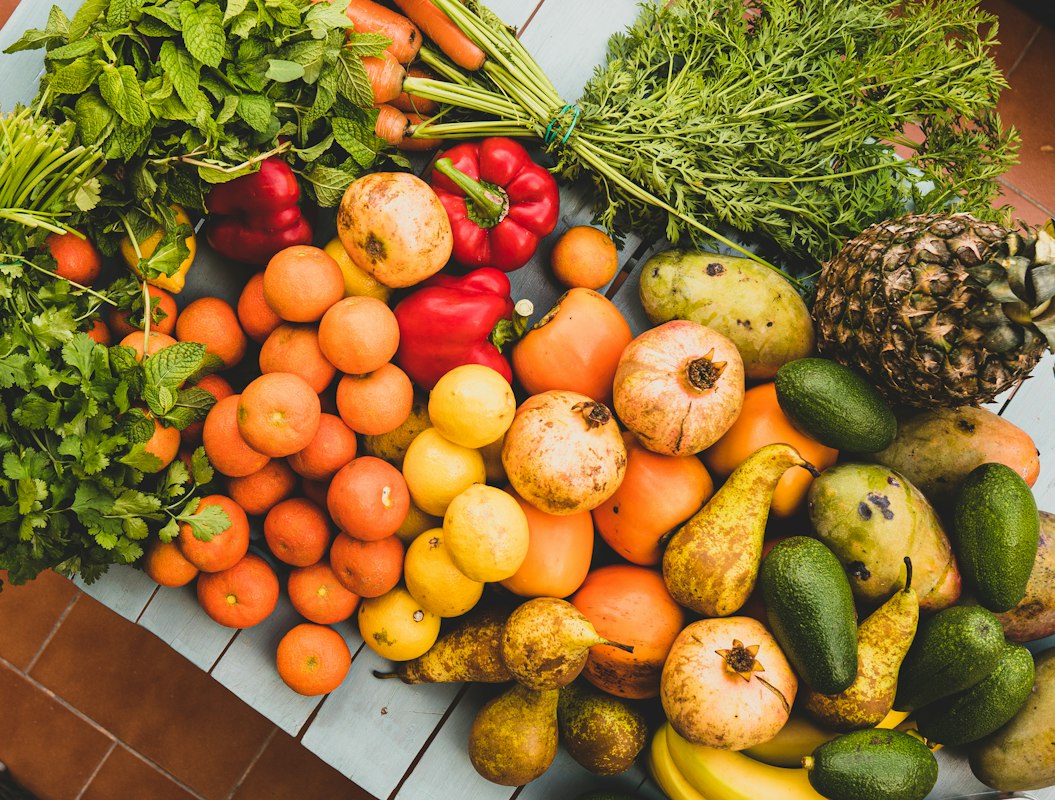
Every recipe published on Diabeticfoodtips is prepared using ingredients available at French supermarkets — from Carrefour to Biocoop. We avoid exotic hard-to-find items and focus on seasonal, affordable produce that makes healthy eating accessible to everyone.
Our editorial team cross-references each recipe with current nutritional guidance to ensure the content remains reliable and grounded in current knowledge. Ingredients are measured in standard French units, and preparation times reflect real kitchen conditions — not TV studio shortcuts.
Frequently Asked Questions
We answer the most common questions our readers in France ask about low-sugar eating, carb management, and understanding food labels.
What counts as a "low-sugar" food?
In general, a food is considered low in sugar when it contains no more than 5g of total sugars per 100g (for solid foods) or 2.5g per 100ml (for liquids), according to European nutritional labelling standards. However, the source of sugar matters too — natural sugars in whole fruit behave differently from refined sugars in processed products.
Are sugar substitutes safe to use every day?
Many popular sugar substitutes — including stevia, erythritol, and xylitol — are considered safe for regular consumption by major food authorities. Each has a different taste profile and cooking behaviour. Our guides explain which substitutes work best in hot drinks, baking, and cold desserts, so you can make informed choices for your kitchen.
How do carbohydrates relate to blood sugar?
All digestible carbohydrates are eventually broken down into glucose and absorbed into the bloodstream. The speed of this process is influenced by the type of carb (simple vs. complex), the presence of fibre, fat, and protein in the meal, and individual metabolic factors. Low-glycaemic foods cause a slower, more gradual rise in blood glucose — which is generally preferable for sustained energy and blood sugar management.
Can I still enjoy bread and pasta on a low-sugar diet?
Yes, with some modifications. Whole-grain bread, sourdough, and legume-based pastas have lower glycaemic indices than their white flour counterparts. Portion size and what you pair them with matters enormously — combining a small serving of pasta with plenty of fibre-rich vegetables and lean protein slows glucose absorption considerably.
Is fruit off-limits when reducing sugar intake?
Fruit contains natural sugars alongside fibre, vitamins, and antioxidants, making it nutritionally very different from refined sugar. Berries, cherries, and citrus fruits tend to have the lowest glycaemic impact. Eating fruit whole rather than juiced also preserves the fibre that slows sugar absorption. Our articles cover the best fruit choices and sensible portion guidance.
Where do I start if I'm new to low-sugar eating?
Start by reading food labels on the products you already buy and identifying the three biggest sources of added sugar in your daily routine — common culprits include flavoured yogurts, breakfast cereals, and sauces. Then try swapping one item at a time. Our beginner's guide section on this site walks you through this process step by step, with shopping lists tailored for French supermarkets.
Latest Articles & Insights
Stay informed with our most recent editorial pieces — covering nutrition research, reader meal plans, and food industry news relevant to low-sugar living in France.
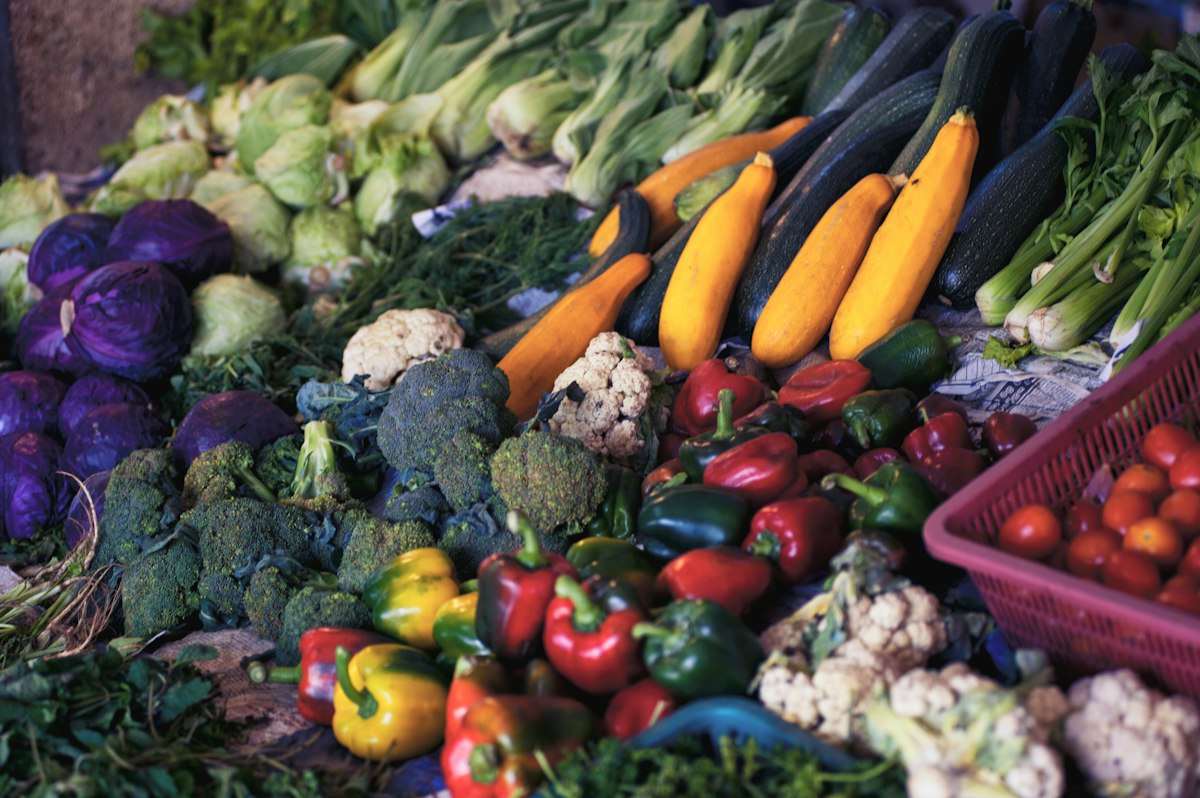
The 12 Best Low-Glycaemic Vegetables to Add to Your Plate
Not all vegetables are created equal when it comes to blood sugar impact. We rank the top options by glycaemic load and explain how to incorporate them into everyday French cooking.
Read article →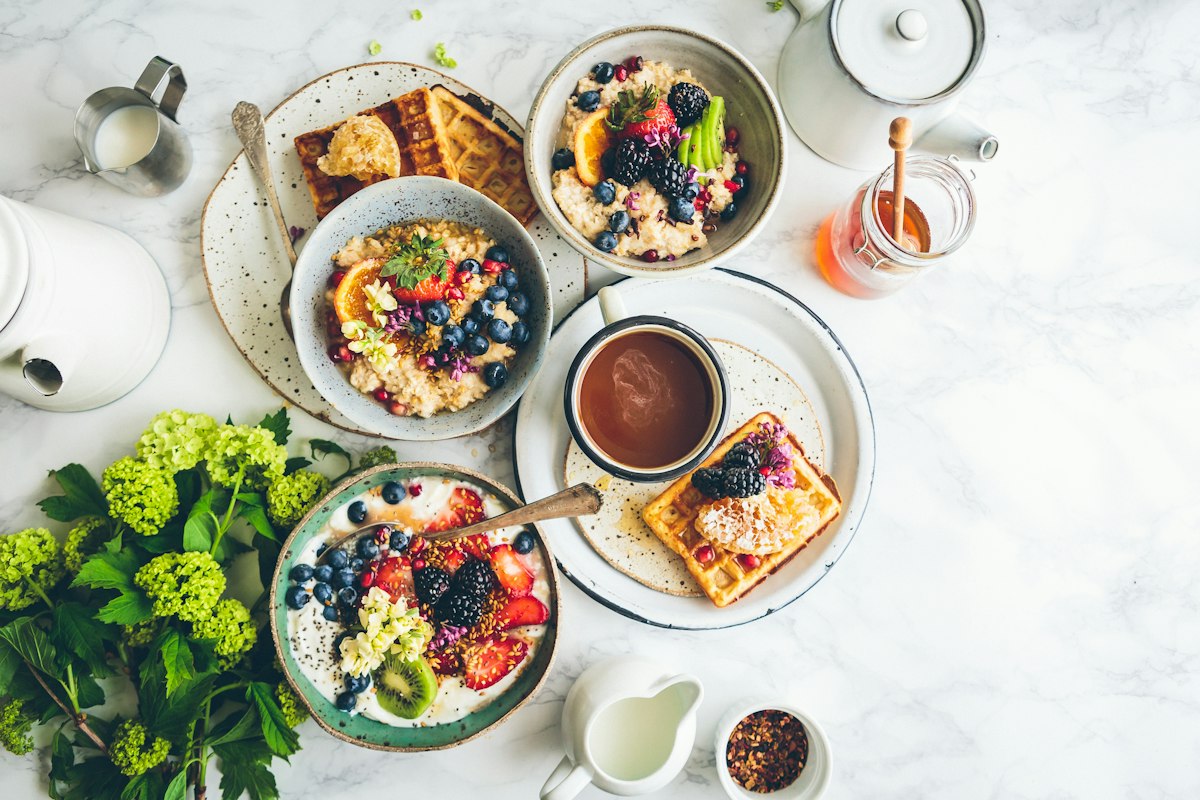
Stevia vs. Erythritol: Which Sweetener Works Best in Baking?
Our editorial team put both popular substitutes through their paces in a series of baking tests — from tarts to madeleines. Here is what we found about taste, texture, and glycaemic impact.
Read article →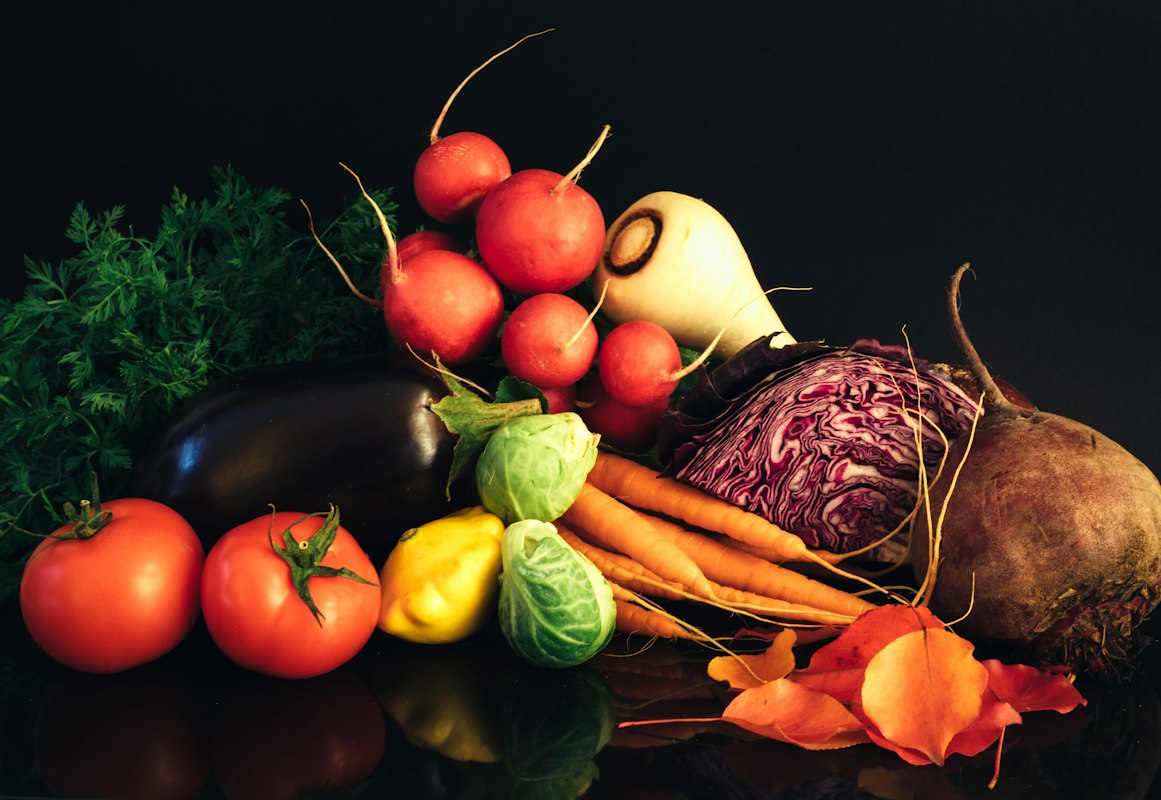
How to Meal Prep a Full Week of Low-Sugar Lunches in 2 Hours
Batch cooking is a game-changer for anyone watching their sugar intake. This step-by-step guide walks you through a practical Sunday prep session that produces five varied, satisfying lunches.
Read article →What Our Readers Are Saying
Letters from our readership across France — real people who have incorporated low-sugar eating into their daily lives and found it genuinely transformative.
"I've been managing type 2 diabetes for over 6 years, and this site completely changed how I think about food. The meal plans are practical, delicious, and actually keep my blood sugar stable. My A1C dropped from 8.2 to 6.7 in just 4 months!"
Margaret R.
Type 2 Diabetic, 6 years
"As a newly diagnosed diabetic, I was overwhelmed and scared. Diabeticfoodtips gave me clear, simple guidance without the jargon. I finally understand what to eat and why. The snack swaps guide alone was a game changer for me!"
James T.
Newly Diagnosed, Type 1
"The recipes here are genuinely tasty — my whole family eats them, not just me. I used to dread meal prep but now I look forward to it. The breakfast ideas especially have made my morning glucose readings so much more consistent."
Sandra L.
Pre-Diabetic, 2 years
"I was spending a fortune on diet programs that never worked. Diabeticfoodtips is completely free and honestly better than anything I paid for. The carb tracking tips and glycemic index guides are so easy to follow. Highly recommend to anyone managing diabetes."
David K.
Type 2 Diabetic, 10 years
Frequently Asked Questions
Everything you need to know about managing diabetes through smart food choices.
Start Eating Smarter Today.
Your Blood Sugar Will Thank You.
Join thousands of people already using Diabeticfoodtips to take control of their health through simple, science-backed nutrition advice — completely free.
No account needed. No credit card. Just helpful, honest food guidance.